
Pinball_as_a_Social_Activity

Team Building and Why it Matters

A group of people within an organization often refer to themselves as a team, but do all members really feel this way? Building a strong team of employees takes a lot more than just sticking a bunch of people in a workspace together. Experts recommend strategic team building to turn a group of co-workers into a unified team.

A unified team works better together to achieve business goals. When learning to work together cohesively, these efforts are only magnified. A great way to bring the members of your team together is by helping them to get to know each other better. As team members get to know each other on a more personal level, they begin to see others as more than just work associates. By learning to appreciate each team member as an individual, the team gains a stronger sense of loyalty and purpose as a whole.

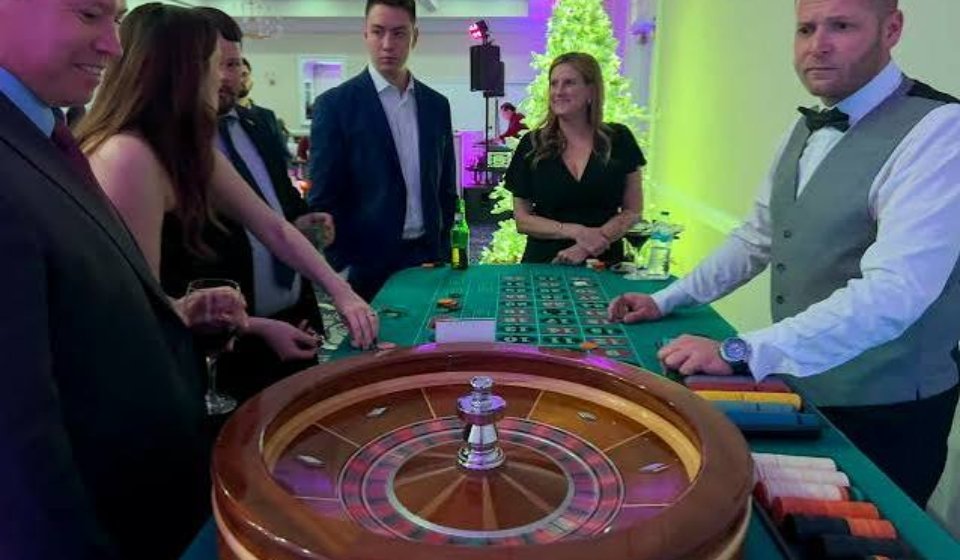
You’ll be hard pressed to find anyone who doesn’t enjoy a little fun and friendly competition. Putting team members in an environment centered around entertainment helps bridge the gap between team members by allowing them the opportunity to become more comfortable with each other. This in turn begins to build trust. Time spent actively engaging in fun group activities goes a long way in breaking down barriers. As the saying goes, laughter is the best medicine!

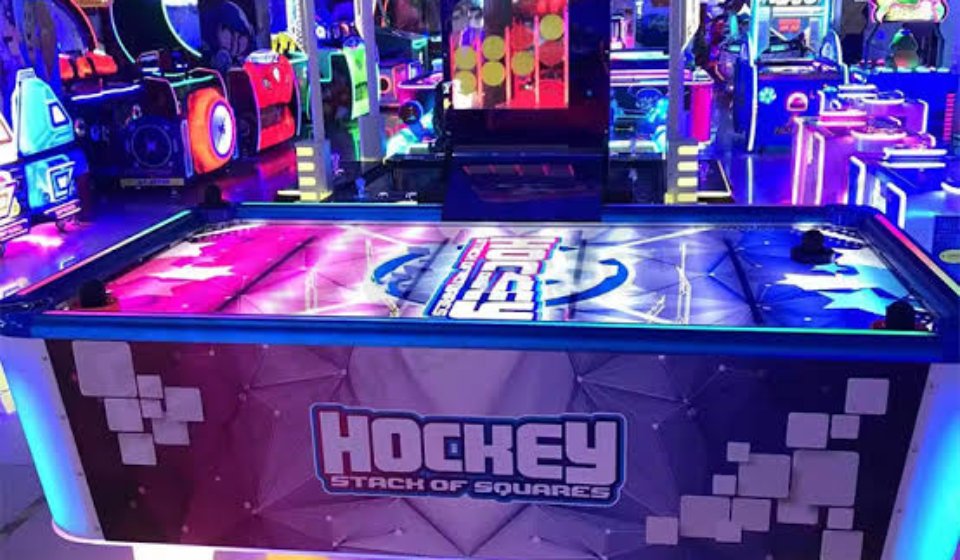
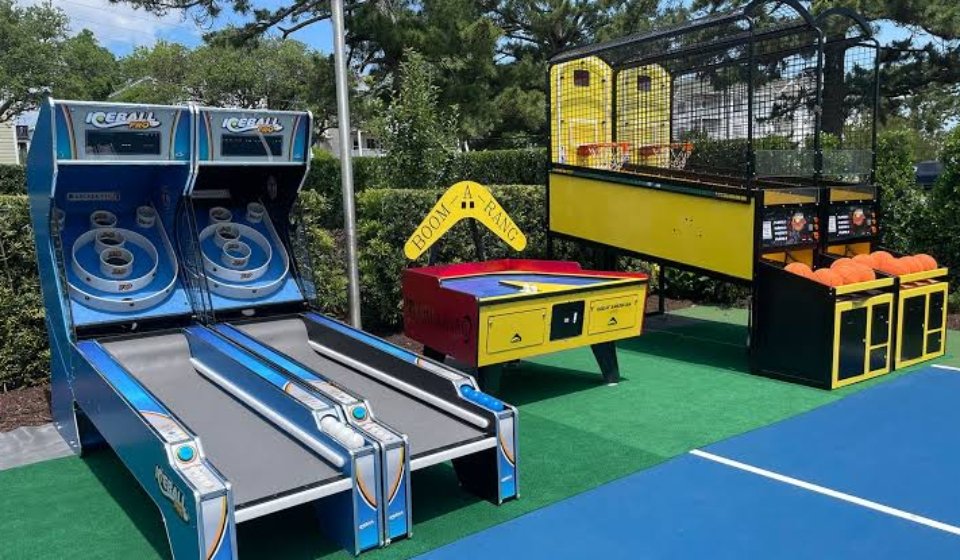
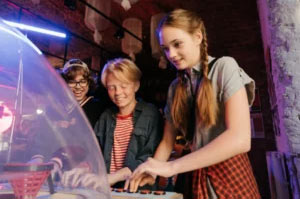
Arcade games are loved by everyone, and what better way to get your team to engage with each other than a friendly game of Giant Connect Four? Games like Mini Golf, Nascar Team Racing, Maze Runner, and more are the perfect way to put a smile on the faces of your team members and offers an easy and fun way for individuals to connect with each other in a relaxed environment. Interactive games provide a purposeful way for team members to build trust with each other by showing them that others have their backs in friendly competition.

As team members begin building trust with each other, they are also learning to effectively communicate in the process. Guiding team members through group games helps to improve communication skills that will in turn transfer to the work environment. Foosball, for example, allows the team leader to pre-select players to compete against each other in teams. As each team works to defeat the opponent team, they develop listening and problem-solving skills. Players must rely on their partners to achieve the ultimate goal of winning, building better communication and trust in the process.

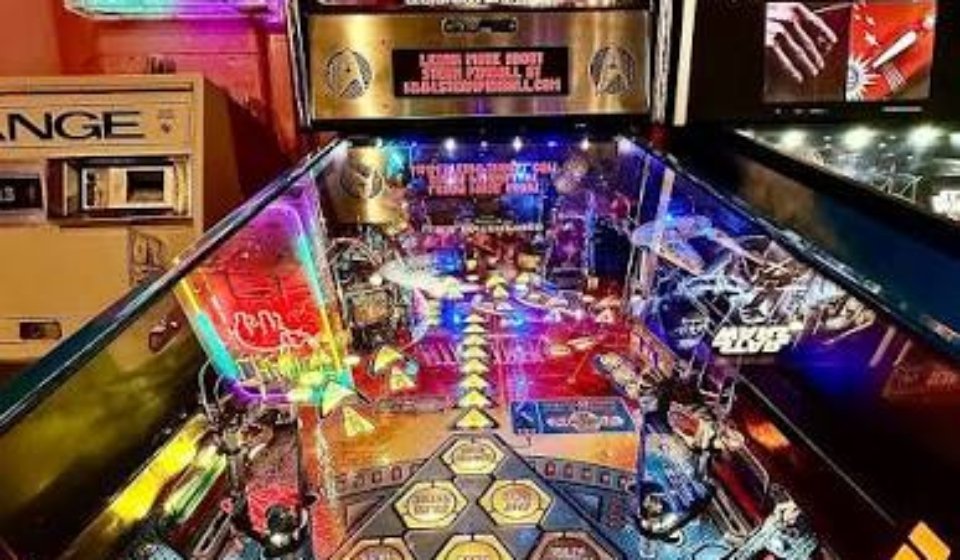
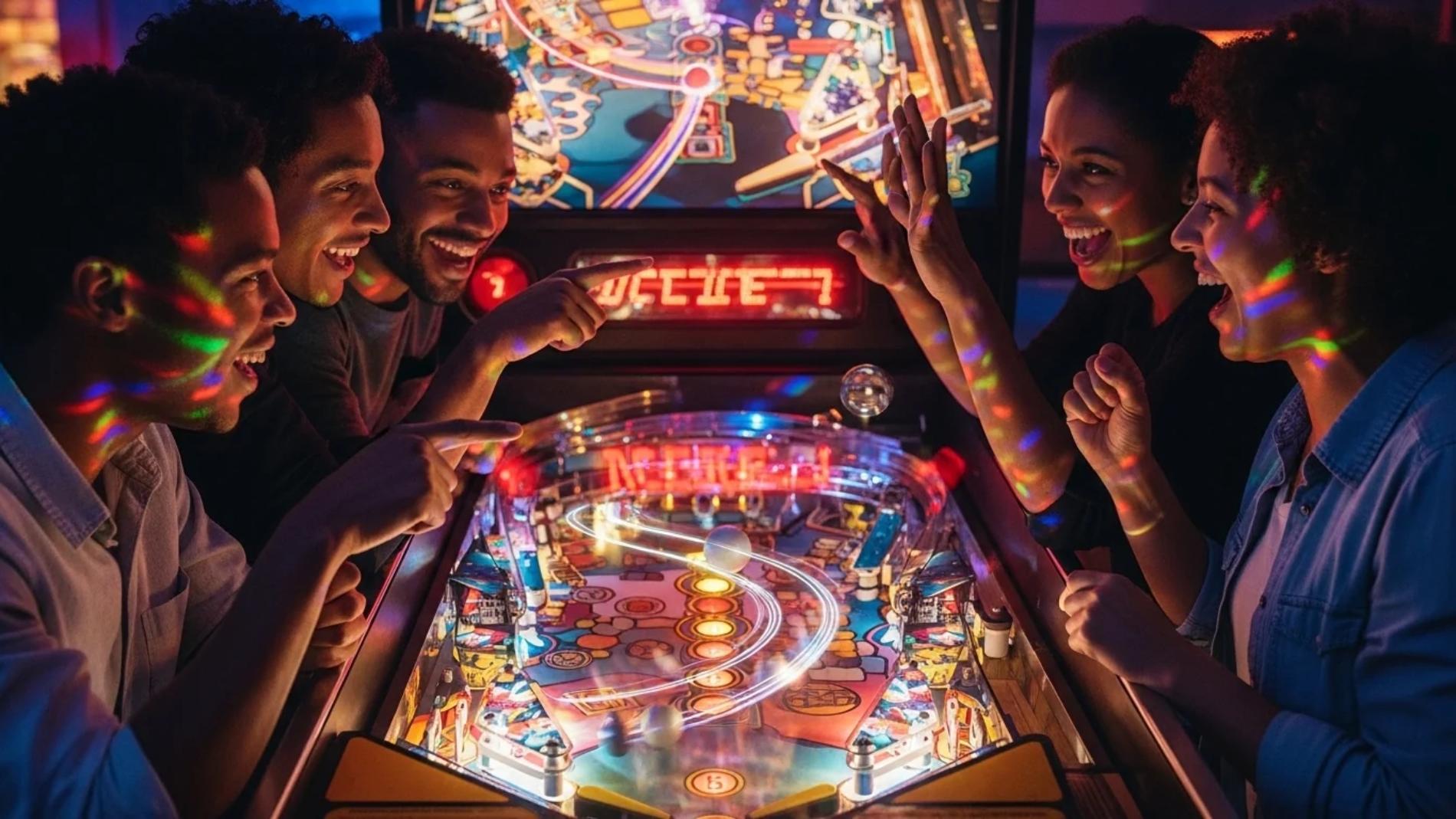
Another great advantage of hosting team-building exercises with arcade games or pinball machine rentals is watching employees reveal hidden skills that may not have been obvious in the workplace. It is quite often the case that many employees do not feel like they are given the opportunity to show everything they are capable of. In a more relaxed arcade environment, individuals tend to lose some of their inhibitions and are much more likely to reveal those hidden skills. Suddenly, the always quiet soft-spoken HR rep becomes an outspoken leader of their team!

Intentional team building has so many positive advantages, including building trust and communication skills among team members. There is practically no downside to fun and engaging team-building exercises. An afternoon spent at the arcade leads to a stronger and more productive team.

At Joystix, we believe in the power of team building and offer a wide variety of ultimate team-building games for your next office event. Our impressive line of games helps your team of employees transform into a unified group. It motivates your workforce to trust and support one another and respect each other’s individuality. Our arcade games are a great solution for your corporate team building exercises. Rent them today for your next corporate event!
blog_history_of_arcade_09

The History of American Arcade Games

The American Arcade. Just the thought brings feelings of nostalgia to thousands. From the first skee ball arcade games released in 1914 to the quarter gobbling Pac-Man games of the ’80s, to modern arcade machines now popular around the world, the fact remains the same…people have loved playing games and hanging out in the arcade for more than 100 years.

Arcades have been a part of American culture for a very long time. Even today, arcades are continuing to evolve. Let’s take a look at how the modern arcade came to be.

Amusement Halls

Prior to the popularity of the arcade, amusement halls were the place to be. These amusement halls began gaining popularity in the early 1930s, offering players simple coin-operated games of chance or skill. Many of these games were slot machines, very similar to what you will find in casinos today. Because of the strict anti-gambling laws that were put in place in most states, the possibility of legal incrimination resulted in a sharp decline in the popularity of slot machines. This decline opened the door for the crown jewel of every amusement hall – the pinball machine.

The Rise of Pinball

Early game developers caught on quickly to the popularity of coin-operated games. The very first of these new coin-operated pinball games was released in the early 1930s in Chicago, although it was much smaller than the pinball games we are familiar with today. The Baffle Ball, introduced by the Bally Corporation, looked more like an old telephone box and was designed to sit atop a countertop or bar instead of standing on its own legs.

Municipalities became worried as American youth became swept up in the frenzy of pinball in the 1930s and 1940s. Many states still had strict anti-gambling laws in place and considered these new pinball games to be games of chance, not skill, and thereby a form of gambling. Flippers weren’t introduced in pinball machines until 1947. A player simply shot the ball and waited to see where it would fall, making them a chance-based game. Some of these games even paid out actual cash. In some locations, the powers that be were so concerned by the popularity that they banned pinball machines completely. One of the most famous cases of this was when New York City Mayor Laguardia personally smashed a pinball machine with a hammer in 1942. This led to a pinball ban that remained in place until 1972, as many officials believed pinball games were directly linked to organized crime.

As is often the case with a younger generation, this only led to an even further increase in the popularity of pinball. At that time, pinball machines were primarily found in back-alley stores and bars. These younger players were often referred to as whippersnappers and riff-raff and looked down upon by people in their neighborhoods. 

As the use of flippers was introduced into the game in 1947, they were seen to be less gambling-oriented as the use of some skill was now required. Even so, pinball games were still not seen in a positive light until quite a few years later, when they became widely popular, especially among younger people.

The Golden Age of the Arcade

As computer technology became more pervasive, entertainment entrepreneurs were quick to take advantage of the situation. In the 1960s a basic computer game was developed at MIT called Spacewar! and quickly caught on with the college crowd. Because of this popularity, Nolan Bushnell and his associate, Ted Dabney, were inspired to create their own version to attract the masses.

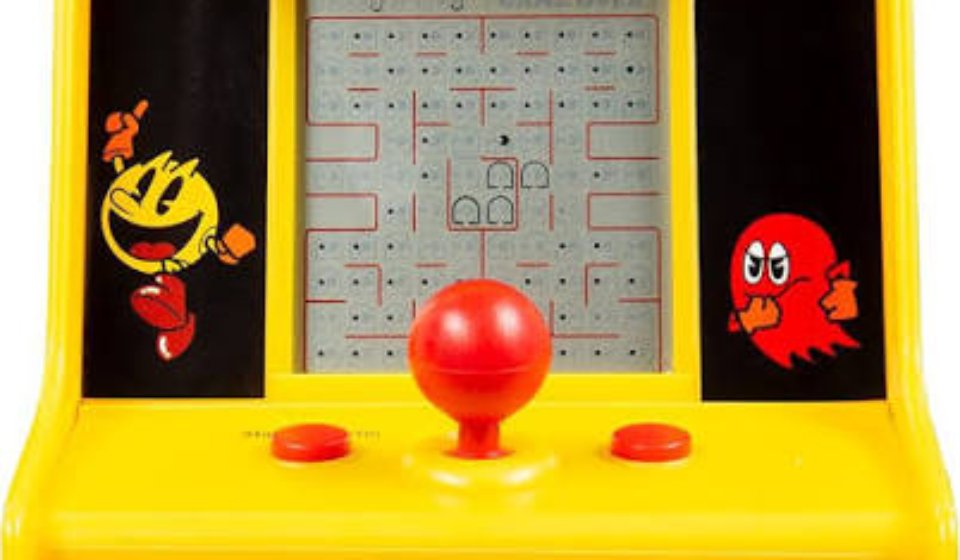
It was now off to the races! Throughout the 1970s, newly developed video games caused a plunge in the popularity of pinball machines. By the time the 1980s rolled around, now-classic video games like Pac-Man, Space Invaders, and Donkey Kong had become common household names. Stores took advantage of American’s love of shopping thanks to a booming economy and lined their windows with video game machines. Personal gaming consoles like Atari and Nintendo would eventually lead to a decline in the popularity of video games, but the arcade became a long-lasting symbol of American youth that is still prevalent today.

The Modern Age of the Arcade

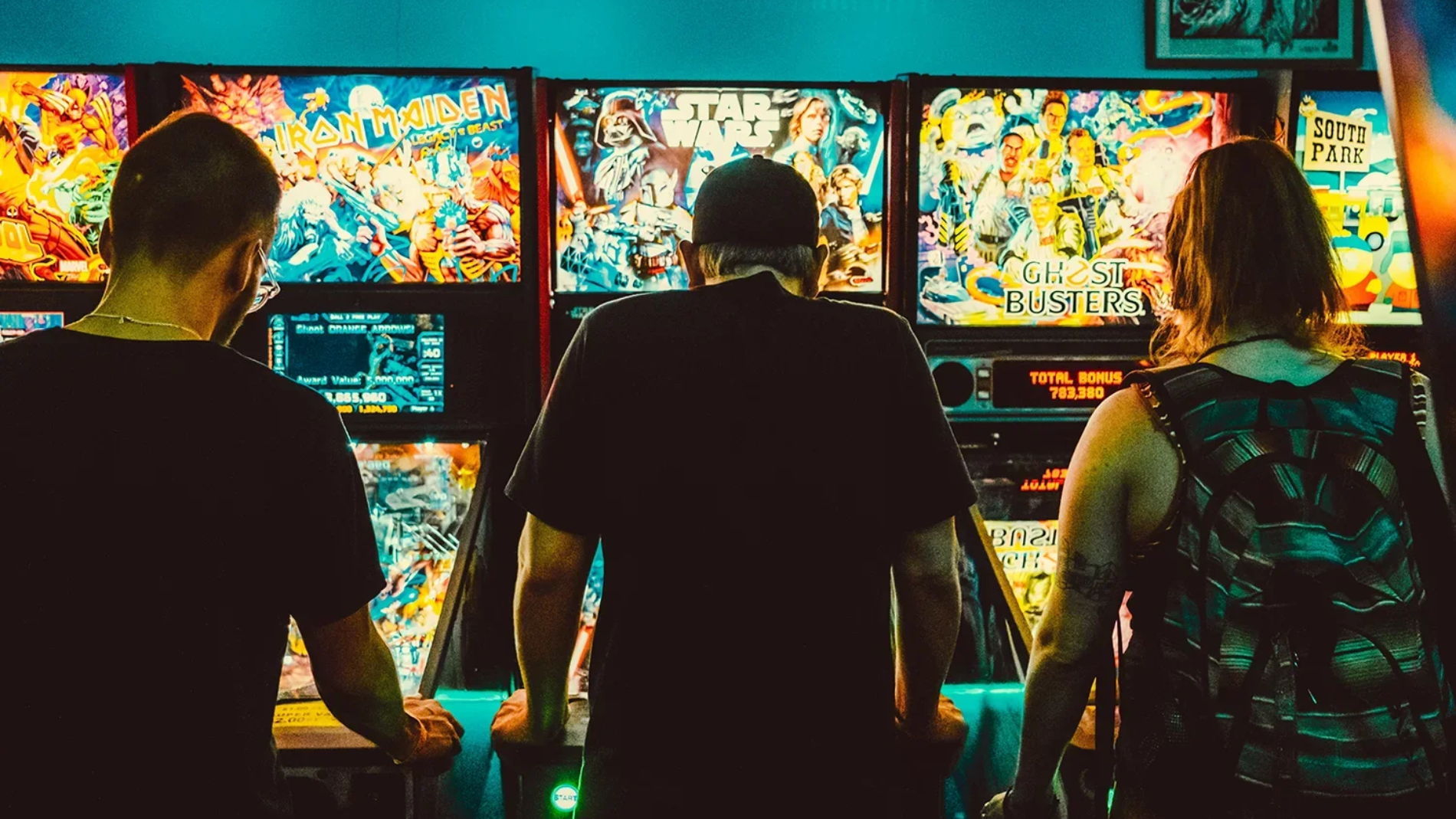
The arcades many of us grew up with were mostly dark lit rooms full of brightly lit upright consoles and the ding ding ding of gameplay. Very few offered anything more than a soda fountain or vending machine, and no form of entertainment outside of the games. As at-home game consoles continued to grow in popularity, arcades needed to attract more customers with more options. It soon became commonplace for bars to center their themes around nostalgic arcade games, and food establishments began to cater to the younger crowd with games that reward young players with tickets that are redeemed for prizes. This idea has only increased in popularity over time and entertainment complexes are now the norm – one-stop destinations that provide food, drink, and entertainment to all ages.

Today, arcade games remain a highly popular form of entertainment as a way to meet and compete with friends in a fun and engaging way. You can share the nostalgia of the classic arcade with your children or with friends at one of the many “barcades” around the country.

If you love classic arcade games and pinball machines, but would rather hang out at home, we offer you the best releases in arcade gaming and the biggest games from the golden age of video gaming entertainment. Create new and unforgettable memories with the ultimate experience for your home, and relive your favorite arcade games from the ’70s and ’80s with our wide range of classic arcade games for sale. We are also open to the public for game-play twice a month for our Pac-Man Fever events.

Our two-story 10,000 sq. foot showroom is bursting at the seams with virtually any type of game you can imagine. We have one of the largest pinball and classic arcade collections in the country as well as the hottest new arcade games, air hockey, skeeball, basketball, foosball, driving games, carnival games, and much more! Not local? No worries! You can browse our extensive collection online.